
OnlyFans free pages remove the entry barrier but not the spending. Platforms that charge nothing at the door still generate revenue through pay-per-view messages, paid chats, and tips. The excerpt promises a method for monitoring and controlling your real monthly outlay, and that is what this guide delivers. It treats the zero-dollar subscription as a spending environment that needs active tracking rather than passive browsing.
Most subscribers assume a free page means no cost. In practice, the platform fee of 20% applies to everything, so creators on free pages earn entirely from unlocks, messages, and tips. That economic design shapes how the page interacts with you. BestOnlyFans approaches this topic from a budgeting perspective rather than a promotional one.

The Zero-Dollar Entry Spending Psychology
- The fee you do not pay at signup is the fee you may pay later in increments.
- Free entry lowers purchase resistance because each decision feels small.
- A $3 message unlock does not trigger the same hesitation as a $10 monthly subscription, even when ten unlocks cost more than the subscription.
Several mechanisms work against conscious budgeting on these pages.
- Sunk cost continuation: after one unlock, subsequent purchases feel like completing a set rather than starting a new expense.
- Frequency illusion from message notifications: repeated alerts make a creator feel central to your day, increasing the odds you open paid messages.
- Social proof in tip displays: visible tip amounts normalize spending levels you would otherwise question.
- Scarcity timing on limited offers: expiring PPV bundles compress your decision window.
- Category completion urges: collections of content split across multiple unlocks push toward finishing the sequence.
None of these mechanisms is accidental. They reflect standard subscription and pay-per-view design, where friction is deliberately low on the buyer side. Recognizing the pattern is the first step toward measuring it.
Tip: Before you unlock anything on a free page, decide the maximum you are willing to spend on that creator for the entire month. Write it down. A limit that exists only in your head tends to move.
Mapping Your Personal PPV Purchase Trail
You cannot control what you have not measured. Most people underestimate their free-page spending because transactions are scattered across notifications, chat threads, and card statements. Reconstructing the trail requires pulling data from more than one place.
Work through these sources in order and reconcile the totals.
- Platform transaction history: the only complete record of unlocks, tips, and paid messages tied to your account.
- Payment card statements: catches charges the platform view may group or label unclearly.
- Message unlock timestamps: useful for spotting clusters, such as five unlocks in one evening.
- Creator-specific purchase patterns: separates habitual spending on one page from occasional spending across many.
Once the numbers are in front of you, patterns emerge quickly. A subscriber who believes they spend $20 a month often finds the real figure is $60 to $90. The gap comes from small, forgettable purchases that never felt like spending at the time.

Building a Free-Page Monthly Spending Ceiling
The platform does not offer a native budgeting tool that caps your PPV spending. Enforcement therefore has to come from outside the site. The goal is to make overspending inconvenient rather than impossible, because inconvenience is usually enough to interrupt an impulse.
Five techniques work well in combination.
- Prepaid card limits: load a fixed amount each month so the card simply declines once the ceiling is reached.
- Separate checking account funding: keep entertainment spending isolated from your main account.
- Weekly manual reconciliations: compare platform history against your card every seven days.
- Browser extension spending alerts: some tools flag checkout pages or track recurring charges.
- Phone notification batching: delay message alerts so you are not reacting to PPV prompts in real time.
A ceiling only works if it is specific. “Spend less” is not a limit. “No more than $25 per creator per month, $75 total” is a limit you can verify. Verification matters more than intention.
The card verification hold of $0.10 is a separate matter and is refunded within days. It is not part of your spending ceiling, though it will appear on statements briefly. Treat it as noise in the reconciliation rather than as a purchase, and exclude it from any monthly total you calculate.
Comparing True Costs: Free Page Habits Versus Paid Subscriptions
This is where the arithmetic becomes uncomfortable. A paid subscription typically runs between $4.99 and $49.99, with most pages clustered in the $5 to $10 range. Heavy PPV use on a free page can exceed that without any single charge feeling significant.
The table below uses common unlock prices to show crossover points.
| Monthly PPV Volume | Total Spent | Equivalent Subscription Value | Savings or Loss |
|---|---|---|---|
| 5 unlocks at $5 | $25 | One $10 subscription | Loss of $15 |
| 10 unlocks at $5 | $50 | Two $15 subscriptions | Loss of $20 |
| 15 unlocks at $5 | $75 | Three $15 subscriptions | Loss of $30 |
| 20 unlocks at $5 | $100 | Six $10 subscriptions | Loss of $40 |
PPV messages can unlock content priced up to $50, and paid chat commonly runs $3 to $5 per message, so the numbers above are conservative. Tips can reach $100 individually. A subscriber who tips once a month and unlocks a handful of messages is often spending more than a mid-tier paid subscription would cost.

Tools and Techniques for Ongoing Spend Monitoring
One reconciliation is not monitoring. What you need is a repeatable process that survives weeks when you are busy or distracted. The simpler the system, the longer it lasts.
These four approaches cover most situations.
- Manual spreadsheet logging: one row per transaction, updated weekly, with a running monthly total.
- Automated bank transaction categorization: most banking apps let you tag merchants so spending totals appear automatically.
- Calendar-based weekly reviews: a fixed fifteen-minute slot to check totals against your ceiling.
- Creator-specific sub-budgets: a separate cap for each page so one creator cannot consume the whole month.
Payment alerts deserve a note. Notifications from your card issuer for every transaction are annoying but effective. When you receive a message for each $5 unlock, the accumulation becomes visible in real time rather than at month end.
If you are comparing pages before committing, external ranking data can help. Sites that curate and rank creators, including the best only fans sites directories, often note whether a page is free, paid, or PPV-heavy. That context is useful before your first unlock rather than after.
When Free Page Spending Justifies Switching to Paid
At some point the math shifts. If most of what you want sits behind PPV unlocks on a free page, a paid subscription usually delivers the same content for a predictable flat fee. Promotional first months can even fall below $4.99, which the platform allows for introductory offers, though base prices cannot go under $4.99.
Use observed purchase velocity to decide.
| Weekly Unlock Rate | Monthly Projection | Recommended Action |
|---|---|---|
| 1 to 2 unlocks | $20 to $40 | Stay on free page, monitor monthly |
| 3 to 4 unlocks | $60 to $80 | Compare against a $10 to $15 subscription |
| 5 or more unlocks | $100 or more | Switch to a paid tier if the page offers one |
One practical detail: when a creator raises the price, auto-renew stops, and existing access lasts until the paid period ends. That gives you a natural review point to reassess whether the subscription still fits your budget.
Switching to paid also changes your spending psychology. A single fixed monthly charge is easier to track than twenty small unlocks, even when the totals are similar.

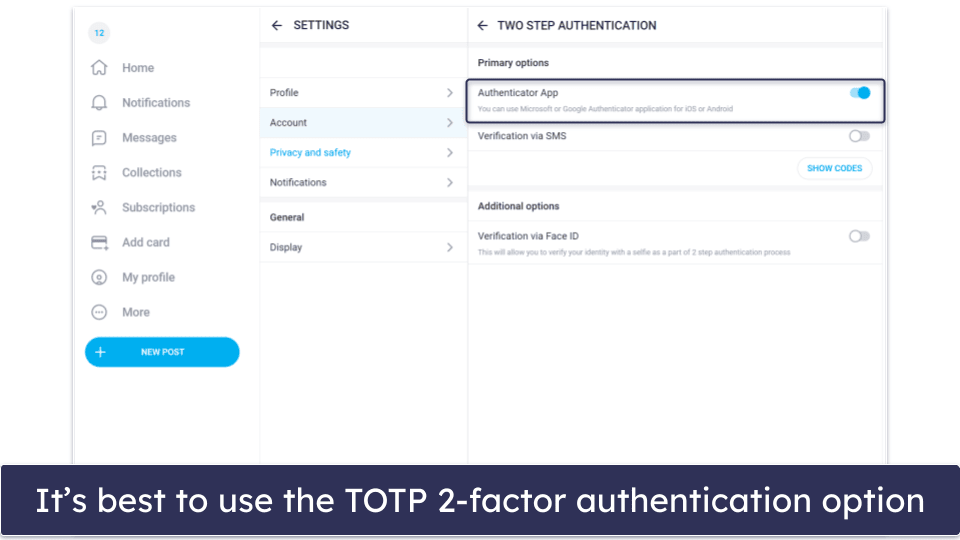
Account security belongs in this conversation because payment data is involved. Enabling two-step authentication on your account and using a dedicated payment method limits exposure if a card is compromised. The same discipline that protects an account also makes spending easier to audit.
BestOnlyFans Free Page Cost Indicators in Rankings
External ranking sites exist because the platform has no built-in discovery feed or directory. That absence means third-party curation is often the only way to compare creators before subscribing. The useful signal is not popularity alone but the spending model.
A ranking entry that labels a page as free tells you entry costs $0. It does not tell you what the page charges for unlocks. Listings that track PPV pricing, message rates, or tip patterns give you a better picture of real cost than follower counts do. BestOnlyFans methodology, where it is applied, weighs these cost indicators alongside engagement signals.

Context helps here. The platform launched in 2016 and grew sharply through 2020, and that growth coincided with the normalization of microtransactions. Understanding the scale of the ecosystem makes it clear why free pages can support entire incomes through unlocks alone.

Use rankings as a screening tool, not a substitute for your own records. A page described as low-cost can still drain a budget if you unlock frequently. Your transaction history remains the only authoritative source for what you actually spent.
FAQ
How can I see my total PPV spending without adding it up manually?
The platform transaction history is the most complete record, but it does not always present a running total. Exporting or copying entries into a spreadsheet, then applying a sum formula, takes a few minutes once a month. Automating with bank categorization is faster but less precise because merchant labels can be vague.
Do free pages ever offer subscription discounts to heavy PPV buyers?
Some creators run promotional first months below $4.99, which the platform permits for introductory offers. A free page cannot offer a subscription discount on a $0 tier, but it may bundle content or reduce individual PPV prices for repeat buyers. These arrangements are set by the creator, not the platform.
What happens to my unlocks if a free page switches to paid?
Previously unlocked content generally remains accessible as part of your purchase history. Future content requires the new subscription or further unlocks. If the creator sets a price, auto-renew behavior follows the standard rule: raising the price stops auto-renew, and existing access runs until the paid period ends.
Can I set a hard spending limit directly on OnlyFans?
No native budgeting tool caps PPV or tip spending on the platform. Enforcement has to come from your payment method, such as a prepaid card with a fixed balance, or from a separate account with limited funds. External tracking and weekly reviews substitute for a built-in limit.